by Muriel Alexander

Parents of special needs children often wonder how to introduce creative outlets in ways that feel welcoming rather than overwhelming. The arts can become a steady companion here, offering sensory regulation, communication pathways, and moments of joy that don’t rely on words. When approached with patience and flexibility, creative activities meet children where they are and grow alongside them.
Why Creative Expression Matters So Much
For many children with special needs, traditional forms of learning can feel rigid or tiring. Art, music, movement, and drama offer a different entry point—one rooted in play and exploration. These activities can support emotional regulation, fine and gross motor development, and self-expression, especially when verbal communication is limited. Over time, the arts become less about producing something “right” and more about experiencing freedom and agency.
Starting Where Your Child Feels Safe
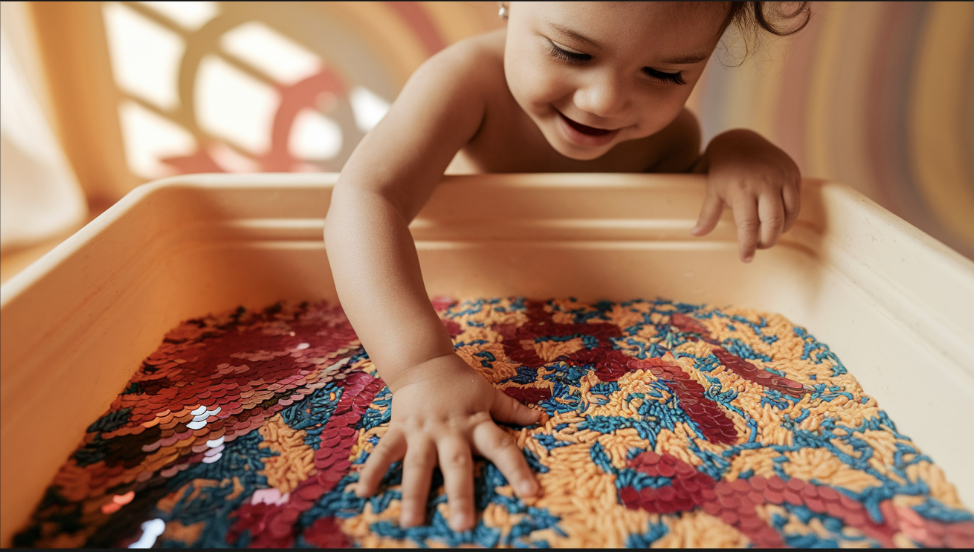
The most successful creative experiences begin with observation. Notice what textures, sounds, or movements your child already enjoys, and let those preferences guide you. A child who loves water might enjoy watercolor painting or sensory play with ice, while a child drawn to rhythm may respond to drumming or clapping games. By following existing interests, you reduce resistance and build trust.
Inviting Creativity at Home
Before diving in, it helps to remember that creativity isn’t about talent, training, or costly supplies—it grows out of small, intentional choices that make creative moments feel safe and inviting:
- Keep materials visible and accessible so creativity feels spontaneous.
- Offer choices rather than instructions to encourage autonomy.
- Allow repetition; familiarity often builds confidence.
- Celebrate effort and engagement instead of outcomes.

Adapting Activities to Different Needs
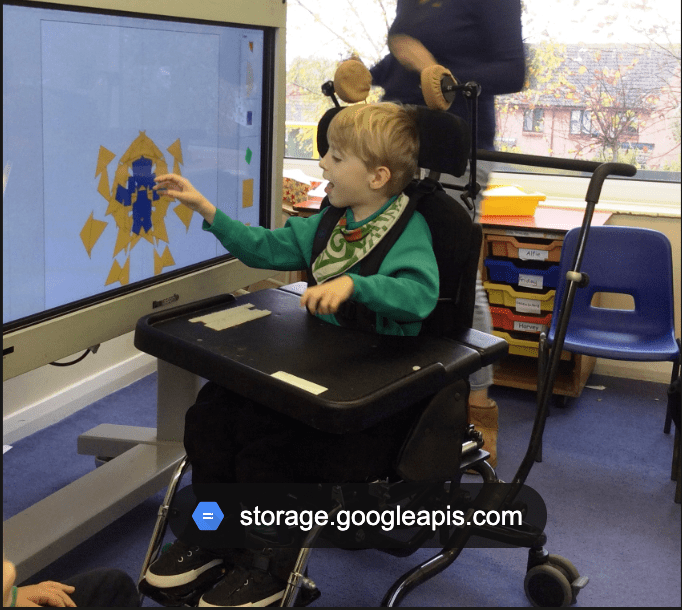
Every child processes sensory input differently, so flexibility is essential. Some may need quieter spaces, softer lighting, or noise-canceling headphones to stay engaged. Others thrive with movement breaks or activities that involve the whole body. Adjusting tools—like using thicker paintbrushes, adaptive scissors, or digital drawing apps—can remove barriers without diminishing the experience.
A Gentle Planning Framework for Parents
When planning creative time, grounding yourself in a simple rhythm can help keep sessions enjoyable rather than stressful.
- Choose one activity and keep the session short at first.
- Set up the space in advance to reduce transitions.
- Stay nearby, but let your child lead the pace.
- End on a positive note, even if engagement was brief.
- Reflect afterward on what felt calming or exciting.
Arts Activities and the Benefits They Can Offer
Different forms of art support different developmental areas, and variety allows children to discover what resonates most.
| Art Form | Possible Benefits | How to Adapt |
| Drawing and painting | Fine motor skills, emotional expression | Use finger paints or adaptive grips |
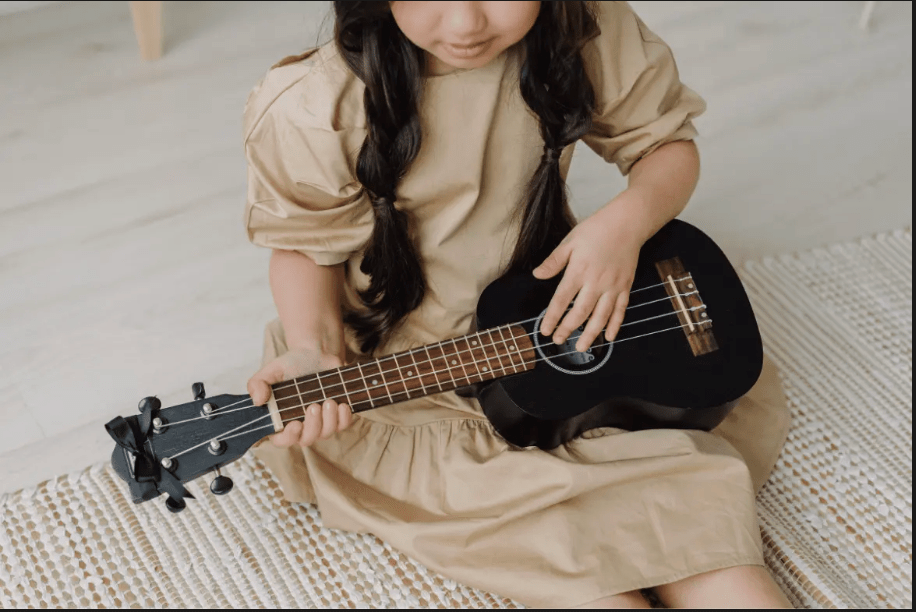
| Music and rhythm | Sensory regulation, communication | Start with simple beats or familiar songs |
| Dance and movement | Body awareness, confidence | Follow the child’s movements without correction |
| Drama and pretend play | Social understanding, imagination | Use puppets or simple role-play scenarios |
When Creativity Sparks Something More for Parents
As you spend time creating alongside your child, you may notice something unexpected: your own interest in making things starts to grow. For some parents, the arts become more than a shared activity and begin to feel like a genuine personal outlet. Over time, that interest can turn into curiosity about whether creative work could fit into a larger part of life. Some parents explore paths like teaching, animation, crafting, or designing and selling handmade pieces, including jewelry. There are many ways to build a sustainable future around your interest in art without rushing the process.

FAQs for Parents
Before investing in classes, supplies, or structured programs, many parents want practical answers to the same core questions.
How much time should my child spend on creative activities each week?
There is no universal amount that works for every child. Short, regular sessions often have more impact than longer, infrequent ones. Let your child’s energy and interest guide the schedule.
What if my child refuses to participate?
Refusal is often communication rather than defiance. Step back, adjust the activity, or simply observe alongside them. Engagement may come later once pressure is removed.
Do I need professional instruction to get started?
Professional guidance can help, but it isn’t required. Many families begin successfully with simple, home-based activities. Occupational or art therapists can offer ideas if challenges arise.
Can the arts support social skills?
Yes, especially when activities are shared. Group music, collaborative art, or gentle role-play can encourage turn-taking and shared attention. Progress is often subtle but meaningful.
Are digital tools appropriate for creative expression?
For some children, digital platforms reduce sensory overload and increase control. Drawing apps or music software can be excellent alternatives to traditional materials. Balance screen-based creativity with physical experiences when possible.
Closing Thoughts
Helping a special needs child engage with the arts is less about instruction and more about companionship. Creativity unfolds slowly, often in quiet moments that don’t look like progress at first glance. By staying curious, patient, and open, parents can create spaces where expression feels safe and valued. Over time, those spaces can become sources of growth for the entire family.

 Being a single mom in NYC